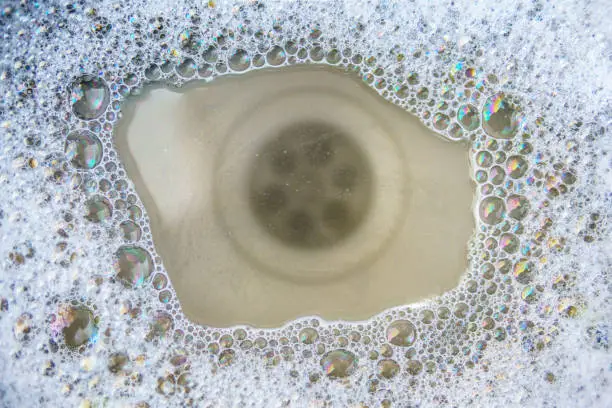
If your drain keeps clogging in San Diego, the most likely reasons are a combination of the city’s hard water, aging pipe materials common in older neighborhoods, and everyday buildup from grease, hair, and soap that narrows the inside of your pipes over time.
When a drain keeps clogging again and again rather than just once, it usually means the blockage sits deeper in the line than a plunger or store bought cleaner can reach, and the real cause needs to be identified before the cycle stops for good.
Why San Diego Homes Are Especially Prone to Recurring Clogs?
San Diego’s plumbing challenges come from a mix of local water conditions and the age of the housing stock across the city. Homes in areas like North Park, South Park, Mission Hills, and Point Loma often still run on original clay or cast iron sewer lines that were installed decades ago, and those materials naturally develop rough interior surfaces over time.
That rough texture gives hair, grease, and soap something to grab onto, which is why the same drain can clog again just weeks after it was cleared.
San Diego’s water supply also carries a noticeably high mineral content. As hard water moves through your pipes day after day, it leaves behind small deposits of calcium and other minerals along the interior walls. These deposits slowly reduce the width of the pipe, so even a small amount of everyday debris is enough to catch and build into a full blockage.
Coastal communities such as La Jolla, Coronado, and Ocean Beach face an added layer of complexity from sandy soil and higher water tables, both of which can shift pipes slightly out of alignment underground.
Related: Burst Pipe Repair San Diego CA
The Everyday Habits Behind Most Clogged Drains
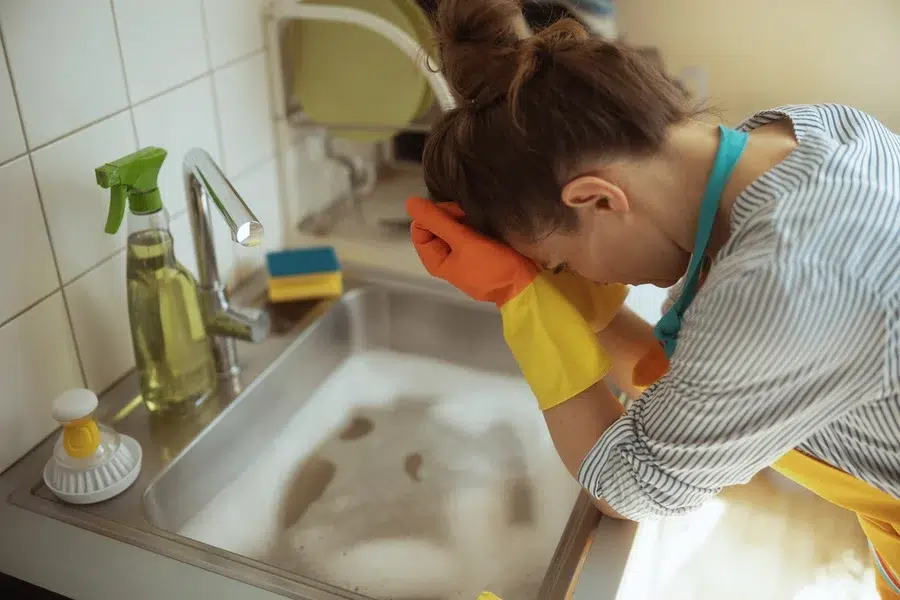
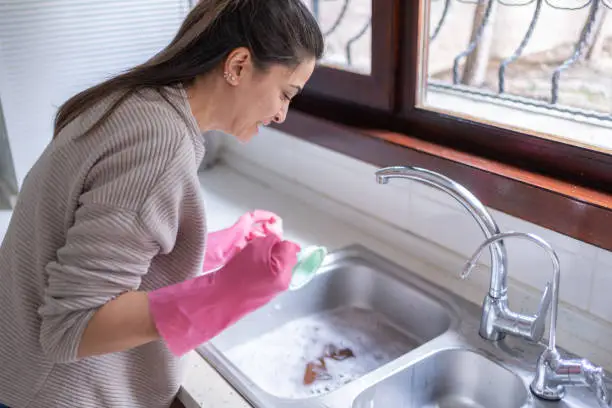
Kitchen sinks tend to clog from grease, oil, coffee grounds, and food particles that seem harmless going down the drain but slowly harden and stick to pipe walls.
Bathroom drains usually struggle with hair and soap residue, which combine into a dense clump that traps even more debris as water passes through. Over weeks and months, this buildup narrows the pipe until water can barely get through, and a drain that once worked fine suddenly starts backing up on a regular basis.
Tree Roots and Underground Sewer Line Issues
Outside the home, tree roots are one of the most common reasons a drain keeps clogging throughout San Diego neighborhoods with mature landscaping. Roots naturally grow toward any source of moisture, and even a hairline crack in an underground sewer line is enough of an opening for a root to work its way inside.
Once a root enters the pipe, it continues to expand and catches debris flowing through the line, which is why homeowners often notice several drains slowing down at once rather than just one. This kind of blockage sits well beyond where a home plunger or drain snake can reach, and it typically requires a camera inspection to locate the exact point of intrusion.
When a Clogged Drain Signals a Bigger Problem?
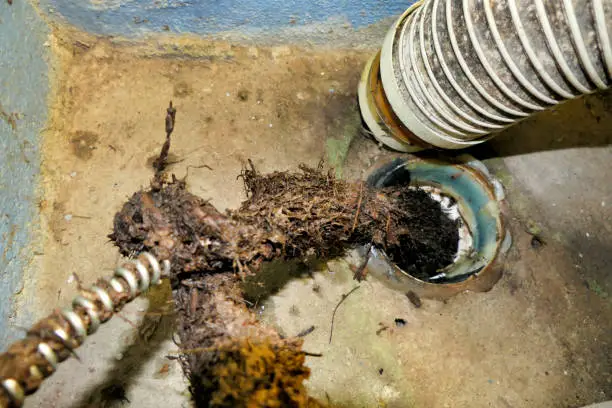
A single clog now and then is a normal part of owning a home. A drain that keeps clogging every few weeks or months is a different story, and it usually points to one of a few underlying issues: buildup deep inside the pipe that basic tools cannot reach, root intrusion in the sewer line, mineral scale from hard water narrowing the pipe diameter, or a shifted, cracked, or misaligned section of older pipe.
If more than one drain in the house is slow at the same time, or if you notice gurgling sounds, rising water, or a persistent sewer smell, these are strong signs the issue lives in the main line rather than a single fixture.
Why DIY Fixes Often Make Recurring Clogs Worse?
It’s a natural first step to reach for a plunger or a bottle of liquid drain cleaner, and these can work for very minor, surface level clogs. The trouble comes with repeated use.
Chemical cleaners generate heat as they work, and that heat can weaken PVC pipes and corrode older metal lines over time, which sets the stage for leaks down the road.
Aggressive plunging or a hand fed drain snake can also push debris further down the pipe instead of removing it, giving the appearance of a fix while the real blockage simply relocates deeper into the system, ready to resurface again soon after.
How Professional Drain Cleaning Solves the Root Cause?
A lasting fix starts with finding out exactly what is happening inside the pipe rather than guessing. A sewer camera inspection lets a plumber see the interior of the line in real time, spotting root intrusion, cracked joints, or heavy scale buildup before any tool touches the pipe.
From there, hydro jetting is often the most effective long term solution, using high pressure water to scour the entire interior wall of the pipe rather than just punching a single hole through the clog the way a snake does.
This clears grease, mineral deposits, and root material from the full length of the line, which is why hydro jetting tends to keep drains clear far longer than a standard snaking service.
Related: Why Does San Diego Have Some of the Hardest Water in California?
Simple Habits That Help Prevent Future Clogs
A few small changes around the house go a long way toward keeping San Diego drains clear between professional visits. Installing a drain strainer in the shower and bathroom sink catches hair before it enters the pipe.
Letting grease cool and disposing of it in the trash rather than pouring it down the kitchen sink prevents one of the most common causes of kitchen clogs.
Running hot water through the kitchen drain after each use helps keep grease from settling on the pipe walls, and scheduling a camera inspection every couple of years, especially in older homes, catches root intrusion or scale buildup early before it turns into a full blockage.
Frequently Asked Questions
Why does my drain keep clogging in the same spot?
A drain that clogs repeatedly in the same location usually has a rough patch inside the pipe, often from corrosion, a misaligned joint, or mineral scale, that catches hair, soap, and debris every time water flows through. Clearing the surface clog without addressing that rough spot means the same blockage tends to form again within a few weeks or months.
Is San Diego’s hard water really a factor in drain clogs?
Yes. San Diego’s water supply carries a higher mineral content than many other regions, and those minerals gradually coat the inside of pipes with scale. Over time this buildup narrows the pipe and gives everyday debris more surface area to stick to, making clogs more frequent than they would be with softer water.
How do I know if tree roots are causing my recurring clog?
Common signs include multiple drains slowing down at the same time, gurgling sounds from toilets or sinks, and a clog that keeps returning shortly after being cleared. A camera inspection is the most reliable way to confirm root intrusion in the sewer line.
Is hydro jetting safe for older pipes in San Diego?
In most cases, yes. A professional will typically run a camera inspection first to check the pipe’s condition, since hydro jetting is generally safe for both modern and older lines when the pressure is matched to the pipe material and condition.
Can I prevent recurring clogs without calling a plumber every time?
Simple habits like using drain strainers, avoiding grease down the kitchen sink, and running hot water after use can reduce how often clogs form. For a drain that keeps clogging despite these habits, a professional inspection is the best way to find and resolve the underlying cause.