
San Diego’s winter storms trigger sewer line backups because heavy rainfall seeps through cracks, loose joints, and root damage in aging residential sewer lines, adding far more water to the system than it was ever built to carry.
Once that extra volume shows up underground, it has to go somewhere, and in older homes across the city that often means it pushes back up through drains, tubs, and toilets.
As a plumbing team that works throughout San Diego, we see this pattern repeat every rainy season, and understanding why it happens is the first step to protecting your home.
Storm Drains and Sewer Lines Are Two Separate Systems
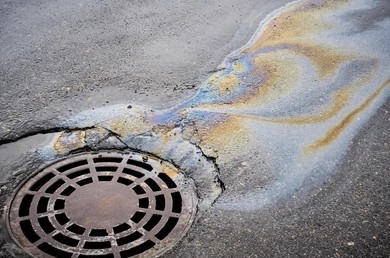
It helps to start with a distinction most homeowners never think about. San Diego’s storm drain network, which spans hundreds of miles of drainage pipe across the city, is built to carry rainwater off streets and yards straight to the ocean or local waterways.
Your home’s sewer line is a completely different system, designed only to carry wastewater from sinks, toilets, and showers to the municipal sewer main. In a properly sealed system, these two networks never mix.
The trouble starts when a sewer line is old enough, or damaged enough, that it stops acting like a closed system.
How Rainwater Gets Into a Sewer Line That Was Never Meant to Carry It?
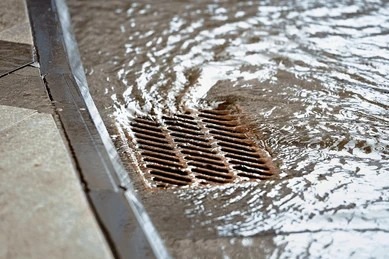
This process has a name in the plumbing world: inflow and infiltration. Infiltration happens when groundwater and storm runoff seep through cracks, deteriorated joints, or porous pipe walls and enter the sewer line underground.
Inflow happens when rainwater enters more directly, often through damaged cleanouts, cracked access points, or connections that were never properly sealed.
During a dry San Diego summer, a hairline crack in a sewer line might let almost nothing through. During a heavy winter storm, that same crack becomes an open door, and saturated soil around the pipe adds constant pressure that pushes water inside for hours or even days after the rain stops.
Why Older San Diego Neighborhoods Feel This the Most?
A huge share of San Diego’s housing stock predates 1980, and many homes in established neighborhoods still run on their original clay, cast iron, or Orangeburg sewer lines. Clay pipes crack at the joints as the ground settles.
Cast iron corrodes from the inside out until the pipe wall becomes thin and porous. Orangeburg, a material made from layered wood pulp and tar, was never expected to last much past thirty to fifty years, and it absorbs moisture and loses its shape well before that.
Every one of these materials becomes more vulnerable exactly where San Diego needs them to be strongest: underground, surrounded by soil that shifts and saturates with every winter storm.
The Role of Canyon Topography and Seismic Movement

San Diego’s canyon adjacent neighborhoods add another layer to this problem. Areas built along canyon rims and slopes see soil movement every time heavy rain saturates the ground, and that movement can shift sewer lines out of alignment or widen cracks that were already forming.
Combine that with the region’s occasional seismic activity, and pipes that were installed decades ago on stable ground can end up misaligned at the joints, creating new entry points for both roots and runoff.
Tree roots, which spend the dry months aggressively searching for any available moisture, often exploit these same weak points, so a pipe already compromised by root intrusion tends to let in even more water once the rain arrives.
Why Backups Tend to Show Up During or Right After a Storm?
Once a compromised sewer line starts taking on extra rainwater underground, the pipe reaches capacity faster than usual, especially if the line already has a partial blockage from roots, sediment, or a bellied section where waste and debris collect.
With nowhere else to go, that combined flow of wastewater and storm runoff looks for the lowest point in your home’s plumbing, which is usually a ground floor shower, tub, or floor drain.
This is why so many San Diego homeowners notice slow drains turning into a full backup within a day or two of a major storm, even if their plumbing seemed fine all summer.
Recognizing the Early Signs Before a Storm Hits
A few signs tend to show up before a full backup occurs. Gurgling sounds from drains when other fixtures are in use often point to trapped air from a partially blocked or infiltrated line.
Slow draining in multiple fixtures at once, rather than just one, usually means the issue is further down the main line rather than isolated to a single drain.
A sewer odor that appears mainly after rainfall can indicate that runoff is disturbing sediment or debris inside a compromised pipe.
Noticing any of these patterns before the next storm gives you a real window to have the line inspected rather than dealing with an active backup.
Related: Thermal Expansion Leaks: What Sudden Summer Heatwaves Do to Your Pipes
What Makes This a San Diego Specific Issue?
Cities with more consistent year round rainfall often design residential plumbing with wetter soil conditions in mind from the start. San Diego’s dry climate for most of the year means pipes, joints, and surrounding soil experience a much bigger swing between bone dry conditions and sudden saturation during winter storms.
That swing is part of what makes root intrusion, joint separation, and pipe cracking so common here, and it’s also exactly why storm season becomes the moment when hidden pipe damage finally becomes impossible to ignore.
As the most experienced plumber team in San Diego CA, we’ve spent years tracing this exact pattern through the city’s older neighborhoods, from canyon rim properties to homes still running on their original clay and cast iron lines, and understanding this connection between storm runoff and underground pipe condition is the clearest way to make sense of why backups so often follow the rain.
Related: Galvanized Steel Corrosion: What Older San Diego Homeowners Need to Know
Frequently Asked Questions
Does San Diego really get enough rain to cause sewer backups?
Yes. Even though San Diego has a dry climate for most of the year, winter storms can drop a significant amount of rain in a short window, and that sudden saturation is often more than enough to push water into cracked or aging sewer lines that have gone unnoticed for months.
How can I tell if a backup is caused by storm runoff and not just a clog?
A storm related backup often follows a pattern that a simple clog doesn’t. If multiple drains slow down or back up around the same time as heavy rain, or if the problem clears up and then returns with the next storm, infiltration from a compromised sewer line is a more likely cause than an isolated blockage.
Is my home more at risk if it was built before 1980?
Generally, yes. Homes from that era often still have original clay, cast iron, or Orangeburg sewer lines, and all three materials become more prone to cracking, corrosion, or joint separation over time, which creates the exact entry points that storm runoff and groundwater use to get in.
Can tree roots make storm related backups worse?
Often, they do. Roots tend to find their way into a sewer line through small cracks or loose joints, and once they’re established, they trap debris and reduce the pipe’s capacity. When heavy rain adds extra water on top of an already root filled line, backups tend to happen faster and more severely.
Will a camera inspection actually show storm related damage?
A camera inspection is the most reliable way to see cracks, joint separation, root intrusion, or bellied sections inside a sewer line, all of which are the kinds of damage that let storm runoff in. It gives a clear, direct view of the pipe’s condition rather relying on guesswork.
Does homeowners insurance typically cover this kind of backup?
Coverage varies by policy and provider, so it’s worth checking your specific plan. Many standard policies don’t automatically include sewer backup coverage, though it’s often available as an add on, so reviewing your policy before storm season is a reasonable step.
Can a backwater valve help prevent this?
A backwater valve is designed to stop sewage and storm related overflow from moving backward into a home when the municipal system or a compromised line becomes overloaded, which makes it a practical safeguard for homes in older neighborhoods or canyon adjacent areas.
How often should older sewer lines be inspected in San Diego?
For homes with original clay, cast iron, or Orangeburg lines, an inspection every one to two years, or right before winter storm season, is a reasonable schedule to catch cracks or root intrusion before heavy rain turns a small issue into a full backup.