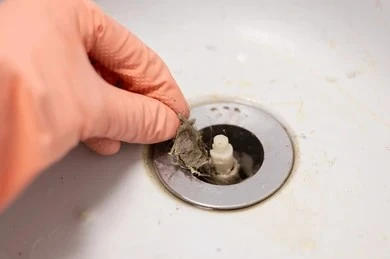
Low flow fixtures can contribute to drain clogs because reduced water volume sometimes isn’t enough to carry waste and debris through older sewer pipes, especially during drought conditions when every drop of water is being used more sparingly.
As an experienced plumber in San Diego CA, we regularly inspect homes across the county where water saving upgrades, paired with aging pipe systems, create exactly this kind of drainage challenge.
This guide breaks down why it happens, how to recognize it, and what homeowners can do to enjoy the benefits of water conservation without inviting plumbing headaches.
The Water Conservation Trade Off Nobody Talks About
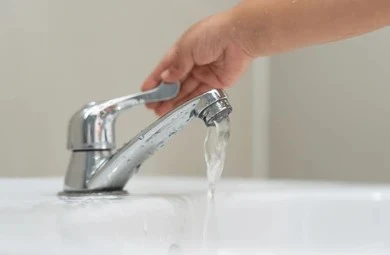
Southern California has spent years encouraging residents to reduce water usage, and for good reason. Drought conditions across the region have made every gallon count, pushing homeowners toward low flow toilets, water efficient showerheads, and high efficiency washing machines.
These upgrades are excellent for lowering utility bills and easing pressure on local water supplies.
Here’s the part that often gets left out of the conversation. Drain and sewer lines were engineered decades ago with a certain volume of water in mind. Older toilets used as much as five to seven gallons per flush.
Modern WaterSense certified fixtures use as little as 1.28 gallons. That’s a significant difference in the amount of water moving through the same pipe.
Plumbing systems rely on water velocity, not just volume, to carry solid waste along the length of a pipe. When flow is reduced, waste can settle instead of traveling smoothly toward the main sewer line.
Over time, this settling builds into what plumbers call a partial obstruction, and it can eventually turn into a full blockage.
Why Older Sewer Pipes Struggle the Most?
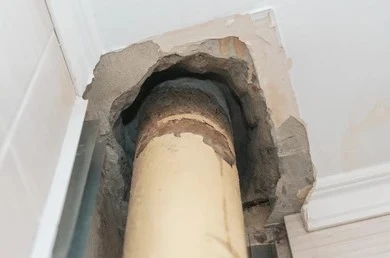
The homes most likely to experience this issue are the ones built before modern plumbing codes standardized pipe slope and diameter for lower flow volumes.
Many properties throughout San Diego, especially in established neighborhoods, still run on original cast iron, galvanized steel, or clay drain lines.
A few reasons these older systems are more prone to clogging when paired with low flow fixtures include the following.
Pipe slope was designed for higher flow. Drain lines need a specific downward slope so that water moves at the right speed, fast enough to carry solids but not so fast that liquid outpaces waste. When water volume drops, that same slope may no longer generate enough velocity to keep everything moving.
Interior pipe surfaces are often rougher. Decades of use naturally roughen the interior walls of metal and clay piping through mineral buildup and corrosion. Toilet paper and waste can catch on these rough surfaces more easily when there isn’t enough water pushing everything through.
Reduced flow concentrates waste. Less water means waste is more concentrated as it travels through the line. This thicker consistency moves slower and is more likely to collect at low points, bends, or areas where the pipe has settled slightly over time.
Biofilm and buildup accumulate faster. A consistently wetted pipe wall helps keep organic material moving. With less water flowing regularly, biofilm and residue can build up along the interior surface, gradually narrowing the usable diameter of the pipe.
Common Warning Signs to Watch For
Homeowners don’t need to wait for a complete backup to catch this issue early. Watch for these signals, particularly if your home was built before the 1990s and has been updated with newer, water efficient fixtures.
- Toilets or drains that gurgle after flushing or running water.
- Slow draining sinks, tubs, or showers, especially on the ground floor.
- Needing to flush more than once to fully clear the toilet bowl.
- Unpleasant odors coming from drains even without a visible clog.
- Standing water pooling around floor drains or in the tub after use.
Any one of these on its own might be minor. Multiple signs happening around the same time usually point toward a developing issue in the main drain or sewer lateral rather than a single fixture problem.
What Homeowners Can Do About It?
The good news is that water conservation and healthy drain lines aren’t mutually exclusive. A few practical habits and periodic professional checks go a long way toward keeping both goals on track.
Run water periodically to maintain flow. Letting a sink or tub run for a short period after using a low flow toilet can help maintain adequate velocity through shared drain lines, particularly in homes where multiple fixtures tie into the same lateral.
Watch what goes down the drain. Flushable wipes, paper towels, and thick tissue products don’t break down quickly and are far more likely to snag in a lower flow system. Sticking to standard toilet paper and keeping other debris out of drains reduces the load your pipes need to carry.
Schedule a video camera inspection. For homes with original piping, a camera inspection gives a clear picture of pipe slope, material condition, and any existing buildup before a clog becomes a bigger issue. This is especially useful before or after installing new water efficient fixtures.
Consider periodic hydro jetting. For sewer lines showing signs of buildup, hydro jetting uses controlled water pressure to clear interior pipe walls without the need for chemical treatments, restoring more of the pipe’s original flow capacity.
Have pipe slope and diameter evaluated. In some cases, sections of drain line may benefit from being resized or reset to a more appropriate slope for current flow volumes. A licensed plumber can determine whether this applies to your property.
Related: How to Clear a Stubborn Drain Clog Without Ruining Your Pipes?
Balancing Water Efficiency With a Healthy Plumbing System
Drought conditions aren’t going away, and water conservation will likely remain a priority across San Diego County for years to come.
That doesn’t mean homeowners need to choose between saving water and maintaining a reliable drainage system.
With the right combination of awareness, maintenance, and occasional professional inspection, low flow fixtures and older plumbing infrastructure can work together successfully.
As an experienced plumber in San Diego CA, we’ve walked many local homeowners through this exact situation, evaluating pipe condition, identifying slope or buildup concerns, and recommending solutions that fit both the age of the home and current water use goals.
Understanding how your specific plumbing system responds to reduced water volume is the clearest path to avoiding unexpected clogs while still doing your part for regional water conservation.
Related: Copper vs. PEX Repiping: Choosing the Best Option for San Diego Architecture
Frequently Asked Questions
Do low flow toilets really cause more clogs than older toilets?
Low flow toilets can cause more clogs in homes with older drain lines because they use less water per flush, which sometimes isn’t enough to carry waste through pipes that were originally sized for higher water volumes. Homes with newer plumbing built to current codes are far less likely to experience this issue.
How much water do low flow fixtures actually save?
Modern WaterSense certified toilets use around 1.28 gallons per flush, compared to older models that used anywhere from five to seven gallons. Low flow showerheads and faucets can reduce water use by 20 to 60 percent depending on the fixture, which adds up to meaningful savings over a year of daily use.
Can I switch back to a higher flow toilet to avoid clogs?
Switching back usually isn’t necessary and may not even be possible, since most areas including California require WaterSense compliant fixtures for new installations and replacements. A better approach is addressing the drain line itself through camera inspection, periodic hydro jetting, or minor slope corrections rather than reversing the water efficient upgrade.
How often should older sewer lines be inspected after installing low flow fixtures?
For homes built before the 1990s, a camera inspection every two to three years is a reasonable starting point, with more frequent checks if slow draining or gurgling sounds appear. A licensed plumber can recommend a schedule based on the pipe material, age, and layout of your specific home.
What is the fastest way to tell if my drain clog is related to low water flow?
A strong early indicator is a toilet that needs a second flush to fully clear, paired with slow draining sinks or tubs elsewhere in the home. If these symptoms show up around the same time as a fixture upgrade or during periods of reduced household water use, low flow related buildup is a likely contributing factor.