Sudden summer heatwaves cause thermal expansion leaks by forcing pipe materials and the water inside them to expand faster than fittings, joints, and valves can safely absorb, which stresses connections and opens small gaps that grow into leaks over time.
This is especially true in inland valley communities like Escondido, where temperatures regularly climb well above coastal San Diego and swing dramatically between day and night.
As a plumbing team that works across San Diego County every summer, we are most experienced in plumber in San Diego CA when it comes to diagnosing and preventing thermal expansion issues before they turn into costly repairs, and this guide explains exactly what happens to your pipes when the heat spikes and how you can keep your plumbing system protected.
Why Valley Heat Hits Pipes Harder Than Coastal Heat?
San Diego is famous for its mild, ocean moderated climate, but that reputation mostly applies to the coastline. Once you move inland toward Escondido, San Marcos, and the surrounding valley communities, the marine layer that keeps beach neighborhoods cool loses its influence, and afternoon temperatures can run fifteen to twenty degrees higher than the coast on the very same day.
During a true heatwave, Escondido and nearby valleys can reach the upper nineties or triple digits while the coast stays in the seventies.
That gap matters for plumbing because thermal expansion is a direct response to temperature change. The wider and faster the swing, the more the pipe material and the water inside it expand, and the more pressure builds inside a closed system.
Valley homes also experience a bigger difference between blazing afternoons and cooler nights, so pipes are essentially expanding and contracting on a daily cycle throughout the hottest stretch of summer, which adds up over a season.
What Actually Happens Inside Your Pipes During a Heatwave?
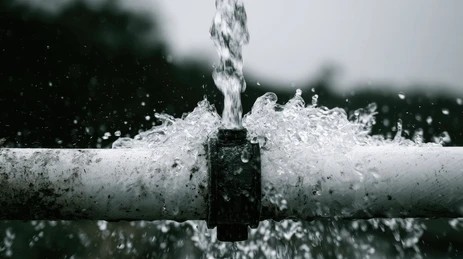
Thermal expansion is simple physics. As water heats up, its volume increases. In an open system that extra volume has somewhere to go, but many modern homes have backflow preventers or pressure regulating valves that create a closed system, trapping that expanding water and raising internal pressure with nowhere for it to escape.
Copper, PVC, CPVC, and PEX all expand at different rates as temperatures rise, and repeated cycles of expansion and contraction gradually work at soldered joints, glued fittings, and connection points.
Over the course of a hot season, this cycle can lead to a few common outcomes.
Stress at Pipe Joints and Fittings
Joints and fittings are the weakest link in any plumbing system because they rely on a seal rather than a single continuous piece of material.
Repeated expansion loosens that seal little by little, and a joint that held fine in spring can start weeping by late August after weeks of thermal cycling.
Pressure Buildup and Water Heater Strain
Water heaters are often the first place homeowners notice the effects of thermal expansion, since the tank is where water is actively heated and expanding.
Without a properly functioning expansion tank or a working temperature and pressure relief valve, pressure spikes can push against the tank, the relief valve, and nearby fittings, sometimes showing up as sudden hot water bursts, unusual pressure fluctuations, or moisture around the water heater itself.
Outdoor Line and Hose Bib Wear
Outdoor plumbing takes the most direct hit during a valley heatwave because it has no insulation from indoor climate control and sits fully exposed to the sun.
Hose bibs, irrigation lines, and exterior supply lines endure both the thermal expansion of the pipe material and UV exposure that dries out rubber washers and seals, which is a common combination behind slow drips at outdoor spigots during peak summer.
Soil Movement Around Buried Lines
Extended heat also dries out the soil surrounding underground pipes. As clay heavy soil common in parts of San Diego County loses moisture, it contracts and shifts, which can misalign or add strain to buried supply lines right at the same time those pipes are already expanding from heat.
This combination is part of why underground leaks tend to cluster in the hottest weeks of the year.
Warning Signs Worth Watching For
Recognizing the early signals of thermal expansion stress gives you time to address it before a small issue becomes a bigger repair.
- A noticeable jump in your water bill without a clear change in usage.
- Fluctuating water pressure or brief bursts of hot water from cold taps.
- Dripping or pooling around outdoor faucets, hose bibs, or the water heater.
- Warm or damp spots on flooring near buried supply lines.
- Creaking or ticking sounds from pipes during the hottest part of the day.
Catching any of these early is the best way to protect both your plumbing system and your home during the peak of an Escondido summer.
How to Protect Your Pipes Before the Next Heatwave?
The good news is that thermal expansion is very manageable with the right preparation, and most protective measures are straightforward for a licensed plumber to install or verify.
Install or Inspect an Expansion Tank
An expansion tank gives heated, expanding water a safe place to go rather than pressing against your pipes and fittings, and it is one of the most reliable long term protections for a closed plumbing system.
Confirm Your Pressure Relief Valve Works
A functioning temperature and pressure relief valve on your water heater releases excess pressure automatically. Testing it before the hottest months arrive ensures it will actually do its job when temperatures climb.
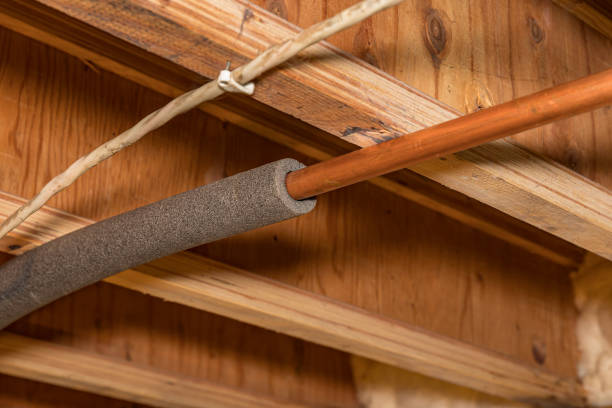
Add Insulation to Exposed Lines
Pipes running through garages, attics, or exterior walls absorb heat quickly. Insulating these sections helps moderate temperature swings and reduces the daily expansion and contraction cycle.
Upgrade Aging or Heat Sensitive Piping
Materials like PEX handle repeated thermal cycling with noticeably less stress than older galvanized or brittle plastic piping, so replacing aging sections in a home with older plumbing can meaningfully reduce long term risk.
Schedule a Seasonal Plumbing Checkup
A professional inspection before or during a heatwave can catch a stressed joint, a weak seal, or a slow drip while it is still a simple fix, which is far easier than dealing with an active leak later in the season.
Related: Copper vs. PEX Repiping: Choosing the Best Option for San Diego Architecture
Why This Matters More in Escondido and the Surrounding Valleys?
Homes closer to the coast get a natural break from the ocean breeze and marine layer, but Escondido and other valley communities do not get that same relief.
The combination of higher peak temperatures, wider day to night swings, and drier soil conditions means valley homes experience more thermal cycling over a single summer than coastal homes do, which is exactly the condition that puts the most repeated stress on pipe joints, outdoor fixtures, and water heaters.
Understanding this local climate pattern is a big part of why proactive maintenance matters more here than it does just a few miles toward the coast.
Related: How San Diego’s Winter Storms Trigger Underground Sewer Line Backups
Frequently Asked Questions
What is thermal expansion in plumbing?
Thermal expansion in plumbing is the natural increase in volume that happens to water and pipe materials as temperatures rise, which raises internal pressure in a closed plumbing system and gradually stresses joints, seals, and fittings.
Why does Escondido experience more thermal expansion stress than coastal San Diego?
Escondido sits inland, away from the ocean’s cooling marine layer, so summer temperatures run significantly higher than the coast and swing more between day and night, creating more frequent and intense expansion and contraction cycles for pipes.
Can thermal expansion cause a pipe to burst?
Yes, if pressure builds up with no safe outlet, repeated thermal cycling can eventually crack a weakened joint or fitting, especially in older piping or a closed system without a properly functioning expansion tank.
How can I tell if my home has a thermal expansion problem?
Common signs include fluctuating water pressure, hot water appearing at cold taps, rising water bills without added usage, and moisture around the water heater or outdoor fixtures during hot weather.
Does outdoor plumbing need special protection during a heatwave?
Outdoor lines, hose bibs, and irrigation plumbing are directly exposed to sun and heat with no indoor insulation, which makes them especially vulnerable to both thermal expansion and UV related wear on seals and washers.
Is PEX piping more resistant to thermal expansion than PVC or copper?
PEX generally handles repeated expansion and contraction with less stress than rigid materials like PVC or copper, which is one reason it has become a popular choice for homes in areas with significant summer heat swings.